Buy meubles.eu ?
We are moving the project
meubles.eu .
Are you interested in purchasing the domain
meubles.eu ?
domain@kv-gmbh.de · 0541-91531010
Buy meubles.eu ?
How is the partitive formed?
The partitive is formed in French by using the preposition "de" followed by the definite article "le," "la," or "les." This combination contracts to form "du," "de la," or "des" before a singular or plural noun, respectively. For example, "some bread" is "du pain" and "some apples" is "des pommes." The partitive is used to indicate an unspecified quantity or portion of a mass noun. **
What is the French partitive article?
The French partitive article is used to indicate an unspecified quantity of a noun that cannot be counted. It is formed by combining the preposition "de" with the definite article corresponding to the noun's gender and number. For example, "du" is used with masculine singular nouns, "de la" with feminine singular nouns, and "des" with plural nouns. The partitive article is used in French to express concepts like some, any, or a part of something. **

Similar search terms for Partitive
Top-Angebote
Products related to Partitive:
-
Inspired Living Elegant Vintage Wood Appliques For Furniture & Home Decor a 38.5cmx11cmTransform ordinary spaces into timeless works of art with these beautifully detailed wood appliques. Designed for homeowners, DIY enthusiasts, and interior stylists, these decorative accents bring a refined, vintage charm to any furniture or wall...56,97 $*Shipping: 0,00 $Secure redirect to the provider
-
Inspired Living Elegant Vintage Wood Appliques For Furniture & Home Decor e 36cmx6cmTransform ordinary spaces into timeless works of art with these beautifully detailed wood appliques. Designed for homeowners, DIY enthusiasts, and interior stylists, these decorative accents bring a refined, vintage charm to any furniture or wall...54,97 $*Shipping: 0,00 $Secure redirect to the provider
-
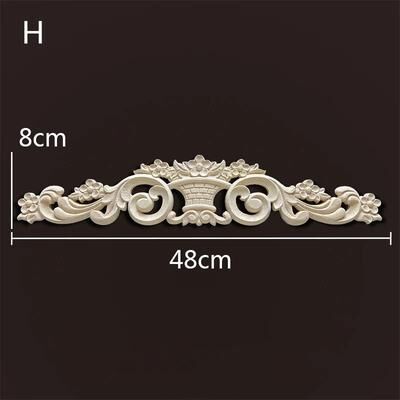
Inspired Living Elegant Vintage Wood Appliques For Furniture & Home Decor h 48cmx8cmTransform ordinary spaces into timeless works of art with these beautifully detailed wood appliques. Designed for homeowners, DIY enthusiasts, and interior stylists, these decorative accents bring a refined, vintage charm to any furniture or wall...65,97 $*Shipping: 0,00 $Secure redirect to the provider
-
Inspired Living Elegant Vintage Wood Appliques For Furniture & Home Decor f 50cmx12cmTransform ordinary spaces into timeless works of art with these beautifully detailed wood appliques. Designed for homeowners, DIY enthusiasts, and interior stylists, these decorative accents bring a refined, vintage charm to any furniture or wall...65,97 $*Shipping: 0,00 $Secure redirect to the provider



-
What are partitive articles in the French language?
Partitive articles in French are used to indicate an unspecified quantity of a noun. They are used when referring to a portion or some of a mass noun, such as food or liquid. The partitive articles in French are "du" (for masculine nouns), "de la" (for feminine nouns), and "de l'" (for nouns starting with a vowel or silent "h"). These articles are essential for expressing the concept of some or any in French. **
-
What is the rule for the partitive article?
The rule for the partitive article in French is to use "de" followed by the definite article (le, la, les) to indicate an unspecified quantity or some of a mass noun. For example, "du" is used for masculine singular nouns, "de la" for feminine singular nouns, and "des" for plural nouns. The partitive article is used when referring to an unknown or unspecified quantity of something. **
-
How do you form the genitive partitive in Latin?
In Latin, the genitive partitive is formed by using the genitive case of the noun followed by the word "partis" or "partis" (depending on the gender of the noun) to indicate a part of the whole. For example, if the noun is "puella" (girl), the genitive partitive would be "puellae partis" to indicate "part of the girl." This construction is used to express the idea of "some of" or "a part of" something. **
-
What are partitive articles and quantity increases in French?
Partitive articles in French are used to indicate an unspecified quantity of a noun. They are used with uncountable nouns or when referring to a portion of something. Quantity increases in French involve using words like "plus de" (more), "beaucoup de" (a lot of), or "trop de" (too much) to indicate an increase in the quantity of something. These expressions are used to specify a larger amount of a noun compared to using just the partitive article. **

When do you use the partitive article in French?
The partitive article in French is used to indicate an unspecified quantity of a mass noun. It is used when referring to a part of a whole, or an unspecified amount of something. For example, "du" is used for masculine nouns, "de la" for feminine nouns, and "de l'" for nouns starting with a vowel or silent "h". It is important to use the partitive article when talking about food, drinks, or other uncountable nouns in French. **
Can you please help me with the partitive article?
The partitive article is used in French to indicate an unspecified quantity of something. It is often used with uncountable nouns to express "some" or "any" in English. The partitive article changes depending on the gender and number of the noun it precedes. For example, "du" is used before masculine singular nouns, "de la" before feminine singular nouns, and "des" before plural nouns. It is important to use the correct partitive article to indicate the appropriate quantity in French. **
Top-Angebote
Products related to Partitive:
-
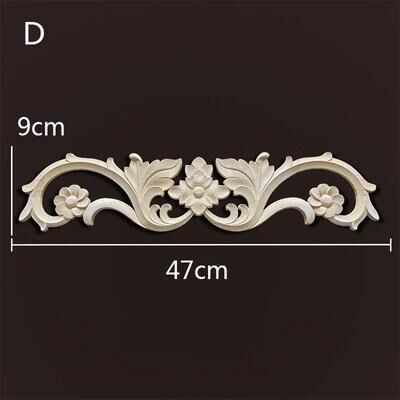
Inspired Living Elegant Vintage Wood Appliques For Furniture & Home Decor d 47cmx9cmTransform ordinary spaces into timeless works of art with these beautifully detailed wood appliques. Designed for homeowners, DIY enthusiasts, and interior stylists, these decorative accents bring a refined, vintage charm to any furniture or wall...60,97 $*Shipping: 0,00 $Secure redirect to the provider
-
Inspired Living Luxe Water Drop Wall Decor Modern Wall Sculpture For Elegant Interiors sTurn an empty wall into a refined focal point with this water drop wall decor inspired by fluid shapes and upscale interiors. Designed for homeowners, decorators, and boutique spaces, it blends a sculptural stonelike form with a sleek metallic look...88,97 $*Shipping: 0,00 $Secure redirect to the provider
-
Inspired Living Elegant Vintage Wood Appliques For Furniture & Home Decor a 38.5cmx11cmTransform ordinary spaces into timeless works of art with these beautifully detailed wood appliques. Designed for homeowners, DIY enthusiasts, and interior stylists, these decorative accents bring a refined, vintage charm to any furniture or wall...56,97 $*Shipping: 0,00 $Secure redirect to the provider
-
Inspired Living Elegant Vintage Wood Appliques For Furniture & Home Decor e 36cmx6cmTransform ordinary spaces into timeless works of art with these beautifully detailed wood appliques. Designed for homeowners, DIY enthusiasts, and interior stylists, these decorative accents bring a refined, vintage charm to any furniture or wall...54,97 $*Shipping: 0,00 $Secure redirect to the provider
-
How is the partitive formed?
The partitive is formed in French by using the preposition "de" followed by the definite article "le," "la," or "les." This combination contracts to form "du," "de la," or "des" before a singular or plural noun, respectively. For example, "some bread" is "du pain" and "some apples" is "des pommes." The partitive is used to indicate an unspecified quantity or portion of a mass noun. **
-
What is the French partitive article?
The French partitive article is used to indicate an unspecified quantity of a noun that cannot be counted. It is formed by combining the preposition "de" with the definite article corresponding to the noun's gender and number. For example, "du" is used with masculine singular nouns, "de la" with feminine singular nouns, and "des" with plural nouns. The partitive article is used in French to express concepts like some, any, or a part of something. **
-
What are partitive articles in the French language?
Partitive articles in French are used to indicate an unspecified quantity of a noun. They are used when referring to a portion or some of a mass noun, such as food or liquid. The partitive articles in French are "du" (for masculine nouns), "de la" (for feminine nouns), and "de l'" (for nouns starting with a vowel or silent "h"). These articles are essential for expressing the concept of some or any in French. **
-
What is the rule for the partitive article?
The rule for the partitive article in French is to use "de" followed by the definite article (le, la, les) to indicate an unspecified quantity or some of a mass noun. For example, "du" is used for masculine singular nouns, "de la" for feminine singular nouns, and "des" for plural nouns. The partitive article is used when referring to an unknown or unspecified quantity of something. **
Similar search terms for Partitive
-
Inspired Living Elegant Vintage Wood Appliques For Furniture & Home Decor h 48cmx8cmTransform ordinary spaces into timeless works of art with these beautifully detailed wood appliques. Designed for homeowners, DIY enthusiasts, and interior stylists, these decorative accents bring a refined, vintage charm to any furniture or wall...65,97 $*Shipping: 0,00 $Secure redirect to the provider
-
Inspired Living Elegant Vintage Wood Appliques For Furniture & Home Decor f 50cmx12cmTransform ordinary spaces into timeless works of art with these beautifully detailed wood appliques. Designed for homeowners, DIY enthusiasts, and interior stylists, these decorative accents bring a refined, vintage charm to any furniture or wall...65,97 $*Shipping: 0,00 $Secure redirect to the provider
-
Inspired Living Elegant Vintage Wood Appliques For Furniture & Home Decor c 53cmx11cmTransform ordinary spaces into timeless works of art with these beautifully detailed wood appliques. Designed for homeowners, DIY enthusiasts, and interior stylists, these decorative accents bring a refined, vintage charm to any furniture or wall...74,97 $*Shipping: 0,00 $Secure redirect to the provider
-
Inspired Living Elegant Vintage Wood Appliques For Furniture & Home Decor h 30cmx6cmTransform ordinary spaces into timeless works of art with these beautifully detailed wood appliques. Designed for homeowners, DIY enthusiasts, and interior stylists, these decorative accents bring a refined, vintage charm to any furniture or wall...50,97 $*Shipping: 0,00 $Secure redirect to the provider
-
How do you form the genitive partitive in Latin?
In Latin, the genitive partitive is formed by using the genitive case of the noun followed by the word "partis" or "partis" (depending on the gender of the noun) to indicate a part of the whole. For example, if the noun is "puella" (girl), the genitive partitive would be "puellae partis" to indicate "part of the girl." This construction is used to express the idea of "some of" or "a part of" something. **
-
What are partitive articles and quantity increases in French?
Partitive articles in French are used to indicate an unspecified quantity of a noun. They are used with uncountable nouns or when referring to a portion of something. Quantity increases in French involve using words like "plus de" (more), "beaucoup de" (a lot of), or "trop de" (too much) to indicate an increase in the quantity of something. These expressions are used to specify a larger amount of a noun compared to using just the partitive article. **
-
When do you use the partitive article in French?
The partitive article in French is used to indicate an unspecified quantity of a mass noun. It is used when referring to a part of a whole, or an unspecified amount of something. For example, "du" is used for masculine nouns, "de la" for feminine nouns, and "de l'" for nouns starting with a vowel or silent "h". It is important to use the partitive article when talking about food, drinks, or other uncountable nouns in French. **
-
Can you please help me with the partitive article?
The partitive article is used in French to indicate an unspecified quantity of something. It is often used with uncountable nouns to express "some" or "any" in English. The partitive article changes depending on the gender and number of the noun it precedes. For example, "du" is used before masculine singular nouns, "de la" before feminine singular nouns, and "des" before plural nouns. It is important to use the correct partitive article to indicate the appropriate quantity in French. **
* All prices are inclusive of VAT and, if applicable, plus shipping costs. The offer information is based on the details provided by the respective shop and is updated through automated processes. Real-time updates do not occur, so deviations can occur in individual cases. ** Note: Parts of this content were created by AI.