Buy meubles.eu ?
We are moving the project
meubles.eu .
Are you interested in purchasing the domain
meubles.eu ?
domain@kv-gmbh.de · 0541-91531010
Buy meubles.eu ?
What are raw materials, auxiliary materials, or operating materials?
Raw materials are the basic materials used in the production of goods. They are typically natural resources such as wood, metal, or agricultural products. Auxiliary materials are used to support the production process, such as lubricants, cleaning agents, or packaging materials. Operating materials are the supplies and tools used in the day-to-day operations of a business, such as office supplies, maintenance tools, or safety equipment. These materials are essential for the production and operation of goods and services. **
How can one create cost-effective DIY storage furniture for craft materials using upcycled materials?
One way to create cost-effective DIY storage furniture for craft materials using upcycled materials is to repurpose old bookshelves or cabinets by adding additional shelves or compartments to accommodate different types of craft supplies. Another option is to use old wooden crates or boxes to create stackable storage units that can be easily customized with paint or decals. Additionally, repurposing old drawers or filing cabinets can provide ample storage space for smaller craft materials such as beads, buttons, or ribbons. By thinking creatively and utilizing materials that would otherwise be discarded, one can create functional and unique storage solutions for their craft materials at a fraction of the cost of buying new furniture. **


Similar search terms for Materials
Top-Angebote
Products related to Materials:
-
Inspire Daily Merch Green Racing Building Block Toys ABS Materials Manual Toy Assembly For Home Office Decor Green Racing Building Block Toys ABS Materials Manual Toy Assembly For Home Office DecorUnleash Your Creativity with 1690 Pieces Green Racing Building Block Toys Transform any space with these 1690 pieces green racing building block toys. Made from highquality ABS materials, this set allows you to build intricate designs and add a...59,97 $*Shipping: 0,00 $Secure redirect to the provider
-
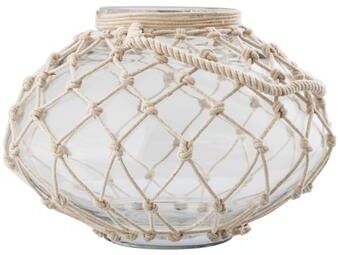
Elk Studio Elk Home Bonita Natural Natural Materials 12 Inch Wide VaseThe Bonita Vase has a low, wide rounded body made of glass which is wrapped loosely with a jute rope in a knotted, open weave pattern. The mouth of the vase features a twisted hute rope handle for easy transport.98,00 $*Shipping: 0,00 $Secure redirect to the provider


-
What types of materials are there for upholstered furniture?
Upholstered furniture can be made from a variety of materials, including fabric, leather, and synthetic materials such as vinyl or microfiber. Fabric upholstery can range from natural materials like cotton and linen to more durable options like polyester or nylon. Leather upholstery is known for its luxurious look and feel, and can be made from different types of leather such as full-grain, top-grain, or bonded leather. Synthetic materials like vinyl and microfiber offer easy maintenance and durability, making them popular choices for upholstered furniture. **
-
Which materials could I melt at home?
You can melt materials such as chocolate, butter, and cheese at home using a double boiler or microwave. These materials have relatively low melting points and can easily be melted without the need for specialized equipment. However, it is important to exercise caution and follow proper melting techniques to avoid burning or overheating the materials. **
-
What is the difference between building materials, operating materials, and auxiliary materials?
Building materials are used in the construction of a structure, such as bricks, concrete, and steel. Operating materials are items used in the day-to-day operations of a building, like cleaning supplies, office supplies, and maintenance tools. Auxiliary materials are additional items that support the functioning of a building, such as lighting fixtures, plumbing fixtures, and HVAC systems. Each type of material serves a specific purpose in the construction and maintenance of a building. **
-
What is the difference between raw materials, operating materials, and auxiliary materials?
Raw materials are the basic materials used in the production of goods, such as wood, metal, or oil. Operating materials are the materials used in the day-to-day operations of a business, such as office supplies, cleaning supplies, or packaging materials. Auxiliary materials are materials that support the production process but are not directly used in the final product, such as lubricants, solvents, or maintenance supplies. Each type of material plays a different role in the production and operation of a business. **
Can someone explain the terms reserve materials, building materials, and operating materials?
Reserve materials are items kept in stock for future use, typically for emergencies or unexpected situations. Building materials are used in the construction or renovation of structures, such as wood, concrete, and steel. Operating materials are supplies necessary for the day-to-day functioning of a business or organization, like office supplies, cleaning products, and maintenance tools. Each term refers to specific types of materials needed for different purposes within a given context. **
What is the difference between building materials, operating materials, and supplementary materials?
Building materials are used in the construction of a structure, such as wood, concrete, steel, and bricks. Operating materials are items used to maintain and operate a building, like cleaning supplies, light bulbs, and HVAC filters. Supplementary materials are additional items that may not be essential for the structure but can enhance its functionality or aesthetics, such as decorative finishes, landscaping materials, or furniture. **
Top-Angebote
Products related to Materials:
-
Elk Home Sceptre Black Natural Materials Ornamental AccessoryELK Home offer depth and breadth across a myriad of home furnishing categories with design styles ranging from updated traditional to soft modern. www.elkhome.com. A division of ELK Group International39,50 $*Shipping: 0,00 $Secure redirect to the provider
-
Inspire Daily Merch Green Racing Building Block Toys ABS Materials Manual Toy Assembly For Home Office Decor Green Racing Building Block Toys ABS Materials Manual Toy Assembly For Home Office DecorUnleash Your Creativity with 1690 Pieces Green Racing Building Block Toys Transform any space with these 1690 pieces green racing building block toys. Made from highquality ABS materials, this set allows you to build intricate designs and add a...59,97 $*Shipping: 0,00 $Secure redirect to the provider
-
What are raw materials, auxiliary materials, or operating materials?
Raw materials are the basic materials used in the production of goods. They are typically natural resources such as wood, metal, or agricultural products. Auxiliary materials are used to support the production process, such as lubricants, cleaning agents, or packaging materials. Operating materials are the supplies and tools used in the day-to-day operations of a business, such as office supplies, maintenance tools, or safety equipment. These materials are essential for the production and operation of goods and services. **
-
How can one create cost-effective DIY storage furniture for craft materials using upcycled materials?
One way to create cost-effective DIY storage furniture for craft materials using upcycled materials is to repurpose old bookshelves or cabinets by adding additional shelves or compartments to accommodate different types of craft supplies. Another option is to use old wooden crates or boxes to create stackable storage units that can be easily customized with paint or decals. Additionally, repurposing old drawers or filing cabinets can provide ample storage space for smaller craft materials such as beads, buttons, or ribbons. By thinking creatively and utilizing materials that would otherwise be discarded, one can create functional and unique storage solutions for their craft materials at a fraction of the cost of buying new furniture. **
-
What types of materials are there for upholstered furniture?
Upholstered furniture can be made from a variety of materials, including fabric, leather, and synthetic materials such as vinyl or microfiber. Fabric upholstery can range from natural materials like cotton and linen to more durable options like polyester or nylon. Leather upholstery is known for its luxurious look and feel, and can be made from different types of leather such as full-grain, top-grain, or bonded leather. Synthetic materials like vinyl and microfiber offer easy maintenance and durability, making them popular choices for upholstered furniture. **
-
Which materials could I melt at home?
You can melt materials such as chocolate, butter, and cheese at home using a double boiler or microwave. These materials have relatively low melting points and can easily be melted without the need for specialized equipment. However, it is important to exercise caution and follow proper melting techniques to avoid burning or overheating the materials. **
Similar search terms for Materials
-
Elk Studio Elk Home Bonita Natural Natural Materials 12 Inch Wide VaseThe Bonita Vase has a low, wide rounded body made of glass which is wrapped loosely with a jute rope in a knotted, open weave pattern. The mouth of the vase features a twisted hute rope handle for easy transport.98,00 $*Shipping: 0,00 $Secure redirect to the provider
-
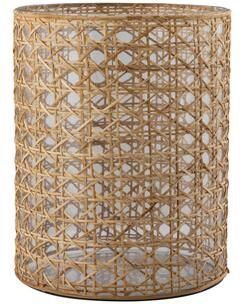
Elk Studio Elk Home Alys Natural Natural Materials 11 Inch Wide VaseThe Alys Large Vase features a wide cylinder of glass wrapped with rattan in a traditional webbed cane pattern. This vase has coastal appeal, and works in a variety of casual settings.150,00 $*Shipping: 0,00 $Secure redirect to the provider
-
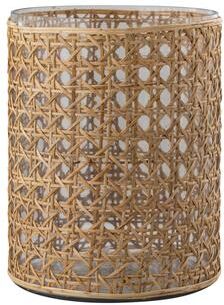
Elk Studio Elk Home Alys Natural Natural Materials 9 Inch Wide VaseThe Alys Medium Vase features a wide cylinder of glass wrapped with rattan in a traditional webbed cane pattern. This vase has coastal appeal, and works in a variety of casual settings.98,00 $*Shipping: 0,00 $Secure redirect to the provider
-
What is the difference between building materials, operating materials, and auxiliary materials?
Building materials are used in the construction of a structure, such as bricks, concrete, and steel. Operating materials are items used in the day-to-day operations of a building, like cleaning supplies, office supplies, and maintenance tools. Auxiliary materials are additional items that support the functioning of a building, such as lighting fixtures, plumbing fixtures, and HVAC systems. Each type of material serves a specific purpose in the construction and maintenance of a building. **
-
What is the difference between raw materials, operating materials, and auxiliary materials?
Raw materials are the basic materials used in the production of goods, such as wood, metal, or oil. Operating materials are the materials used in the day-to-day operations of a business, such as office supplies, cleaning supplies, or packaging materials. Auxiliary materials are materials that support the production process but are not directly used in the final product, such as lubricants, solvents, or maintenance supplies. Each type of material plays a different role in the production and operation of a business. **
-
Can someone explain the terms reserve materials, building materials, and operating materials?
Reserve materials are items kept in stock for future use, typically for emergencies or unexpected situations. Building materials are used in the construction or renovation of structures, such as wood, concrete, and steel. Operating materials are supplies necessary for the day-to-day functioning of a business or organization, like office supplies, cleaning products, and maintenance tools. Each term refers to specific types of materials needed for different purposes within a given context. **
-
What is the difference between building materials, operating materials, and supplementary materials?
Building materials are used in the construction of a structure, such as wood, concrete, steel, and bricks. Operating materials are items used to maintain and operate a building, like cleaning supplies, light bulbs, and HVAC filters. Supplementary materials are additional items that may not be essential for the structure but can enhance its functionality or aesthetics, such as decorative finishes, landscaping materials, or furniture. **
* All prices are inclusive of VAT and, if applicable, plus shipping costs. The offer information is based on the details provided by the respective shop and is updated through automated processes. Real-time updates do not occur, so deviations can occur in individual cases. ** Note: Parts of this content were created by AI.